Created By- please click the up coming post
As a moms and dad, you might question when your kid should see a pediatric optometrist. It's important to acknowledge the signs of possible vision issues, like squinting or frequent frustrations. You'll intend to see to it your youngster obtains the appropriate evaluations at essential ages. Comprehending these standards can help you take positive steps for their aesthetic wellness. But what certain indicators should you seek, and what services are available?
Common Indicators of Vision Issues in Children
When you notice your kid scrunching up your eyes, massaging their eyes, or battling to concentrate on distant things, it may be time to consider their vision health and wellness. These indications can suggest underlying issues that require attention.
You may additionally see them preventing analysis or close-up jobs, frequently turning their head, or experiencing migraines after school. If your kid seems easily distracted or has problem adhering to relocating items, it can signify a vision trouble too.
In addition, if they commonly cover one eye or experience trouble with depth perception, it's necessary to act. Being positive regarding these signs and symptoms can cause prompt treatments, guaranteeing your child's vision creates properly and supporting their understanding and daily activities.
Don't think twice to consult a pediatric eye doctor if you're worried.
Age-Specific Standards for Eye Examinations
Eye tests are crucial at different stages of your kid's advancement, and understanding when to schedule them can make a huge distinction.
For babies, it's recommended to have their first eye examination at six months. This assists capture any kind of possible issues early on.
As your kid approaches age 3, a comprehensive test is crucial to assess their vision and eye placement.
Once they begin institution, around age 5 or 6, guarantee they've an additional test to check for vision adjustments that can impact learning.
After that, routine eye examinations every one to two years are usually adequate, unless your kid has specific issues or risk elements.
Staying positive with these guidelines helps keep your kid's aesthetic wellness for a life time.
Solutions for Common Pediatric Vision Issues
Resolving usual pediatric vision issues early can dramatically enhance your kid's lifestyle and learning experience.
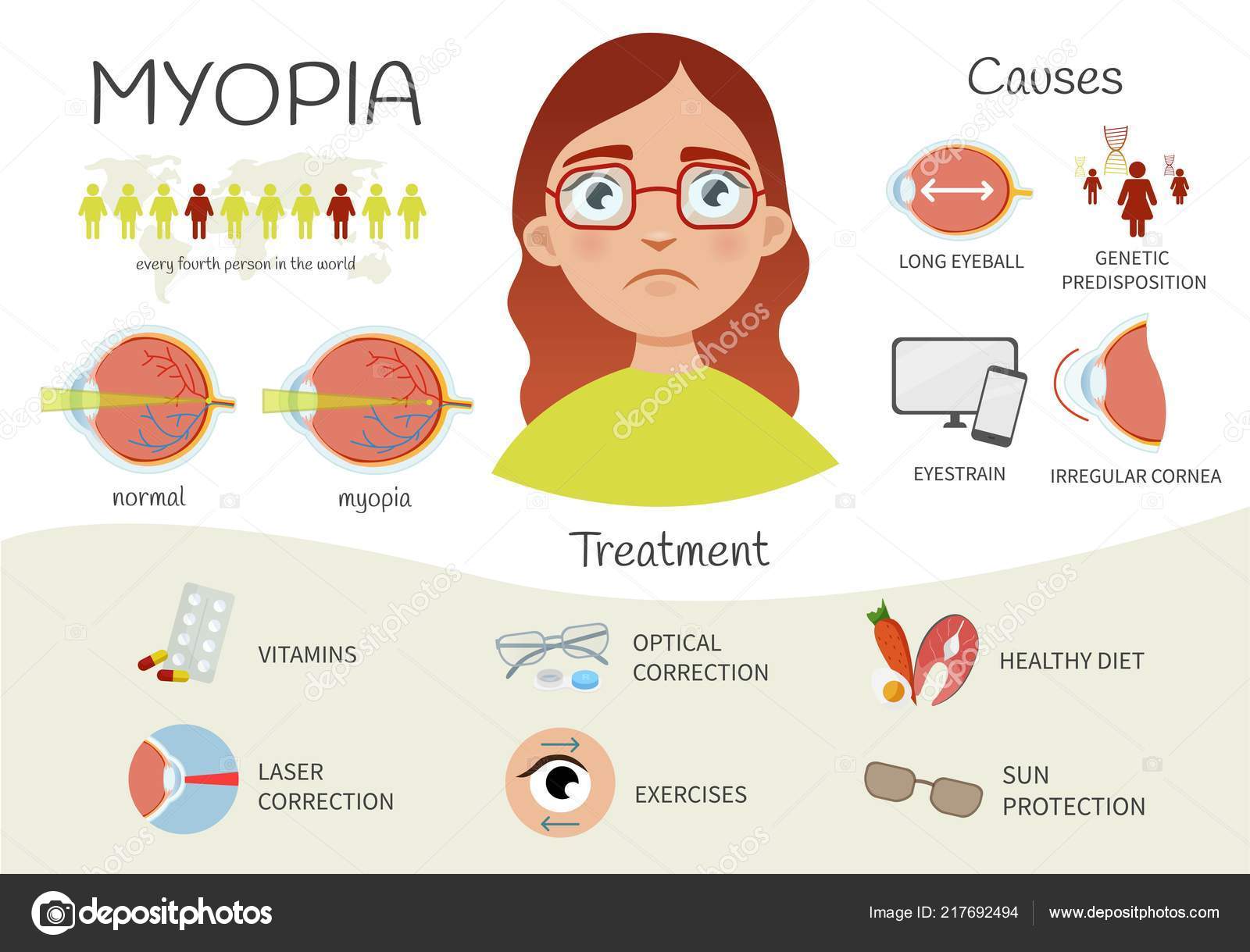
If your kid struggles with nearsightedness or farsightedness, corrective glasses or get in touch with lenses can help them see plainly.
For conditions like amblyopia (lazy eye), treatments like covering the stronger eye can enhance vision in the weak one.
If your youngster has actually strabismus (crossed eyes), choices like vision therapy or surgery might be needed to line up the eyes.
Routine eye examinations are important for keeping an eye on these conditions and changing treatments as required.
Urge healthy and balanced eye routines, like restricting display time and making sure appropriate lighting while reading.
Conclusion
In conclusion, keeping an eye on your youngster's vision is vital. Remember to arrange their very first eye test by 6 months, and follow up at age three and around 5 or six. If you observe indications like squinting or complaints of headaches, don't wait-- consult a pediatric optometrist. https://drive.google.com/file/d/1217QlPsyiXpfxxQAf56WqKEsCIc0-4Aq/view?usp=sharing and tailored remedies can make a big difference in your child's aesthetic health and general well-being. Take action now to ensure they see the world plainly!