Posted By-Hollis Cooley
If you're contemplating SMILE eye surgery, ponder this: are you prepared to accept possible visual liberty, or does the idea of any type of dangers make you think twice? Your decision will certainly hinge on a careful equilibrium of evaluating the advantages against the uncertainties. It's vital to dive deeper into the nuances of SMILE surgical procedure to make an educated option that straightens with your visual goals.
Comprehending SMILE Eye Surgical Treatment
When considering SMILE Eye Surgical treatment, it's important to recognize the treatment and its benefits. SMILE, which represents Small Cut Lenticule Removal, is a minimally intrusive laser eye surgery that fixes common vision troubles like myopia (nearsightedness).
During the procedure, your eye surgeon will make use of a femtosecond laser to develop a tiny cut in your cornea. With this laceration, a small disc of tissue called a lenticule is removed, improving the cornea and correcting your vision.
Among the vital advantages of SMILE Eye Surgical procedure is its quick healing time. Many patients experience improved vision within a day or two after the procedure, with marginal pain.
Furthermore, SMILE is recognized for its high success rate in giving long-lasting vision adjustment. Unlike LASIK, SMILE doesn't need the creation of a flap in the cornea, minimizing the risk of issues and permitting a much more steady corneal structure post-surgery.
Recognizing the treatment and its advantages is crucial when taking into consideration SMILE Eye Surgical procedure for vision correction.
Pros and Cons of SMILE
Taking Into Consideration SMILE Eye Surgery for vision improvement features various benefits and possible disadvantages.
One of the main pros of SMILE is its minimally invasive nature, as it includes a tiny laceration and commonly results in fast recuperation times. The treatment is also known for creating very little pain and completely dry eye signs and symptoms post-surgery contrasted to various other vision adjustment methods. In addition, SMILE has been revealed to supply exceptional aesthetic results, with numerous people achieving 20/20 vision or much better.
On the other hand, a possible disadvantage of SMILE is that it might not be suitable for individuals with extreme refractive mistakes, as the treatment range is somewhat minimal contrasted to LASIK. One more consideration is that the learning contour for cosmetic surgeons executing SMILE can impact the schedule of knowledgeable service providers in particular locations.
It is necessary to consider these advantages and disadvantages thoroughly when choosing if SMILE is the right selection for your vision correction requirements.
Figuring Out Eligibility for SMILE
To establish if you're eligible for SMILE eye surgery, your eye doctor will certainly conduct a thorough assessment of your eye health and vision needs. During this examination, aspects such as the stability of your vision prescription, the thickness of your cornea, and the total wellness of your eyes will certainly be analyzed.
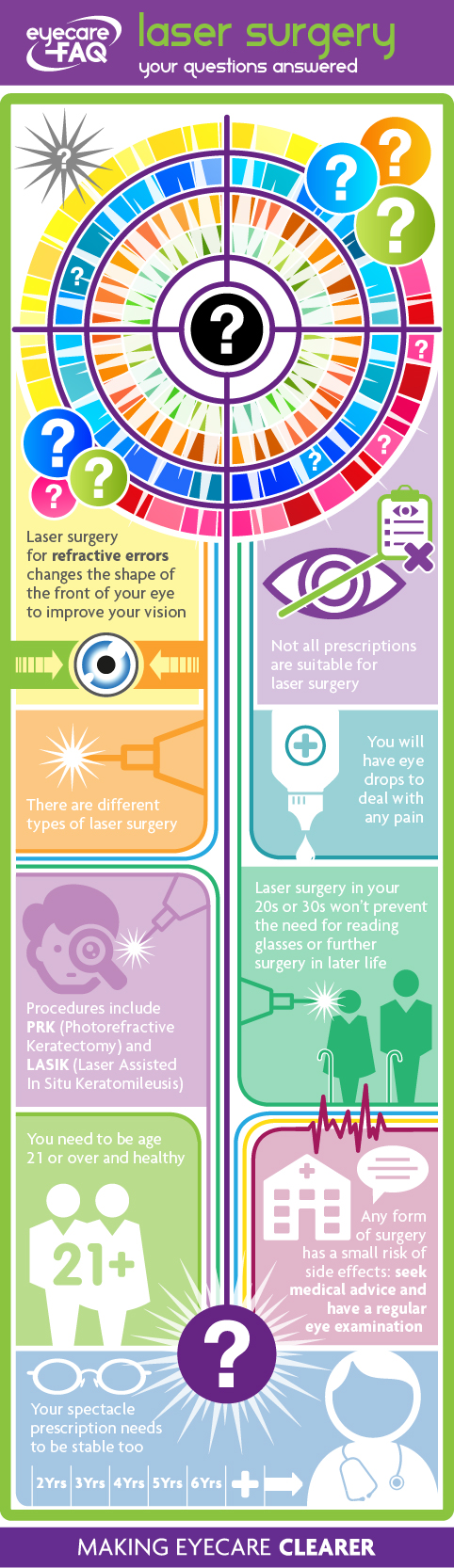
Usually, prospects for SMILE are over 22 years old, have a stable vision prescription for at the very least a year, and have healthy corneas without problems like keratoconus.
Your eye doctor will certainly additionally consider your general eye health, any existing eye conditions, and your lifestyle needs to figure out if SMILE is the appropriate option for you. It's necessary to connect any kind of particular visual demands or problems you may have throughout this examination to make certain that the therapy aligns with your expectations.
If you aren't eligible for SMILE, your ophthalmologist might advise alternative vision correction alternatives that better suit your private demands and eye wellness standing.
Final thought
Ultimately, choosing whether SMILE eye surgical treatment is right for you requires cautious consideration of your individual eye wellness and visual demands. Seek advice from your ophthalmologist to establish your qualification for the procedure and weigh the possible benefits and disadvantages. Keep in mind to communicate any type of concerns or concerns you may have throughout the assessment procedure to make an educated choice about your vision improvement alternatives.